How to Deduct SaaS and Software Subscriptions on Corporate Taxes: 2026 Guide
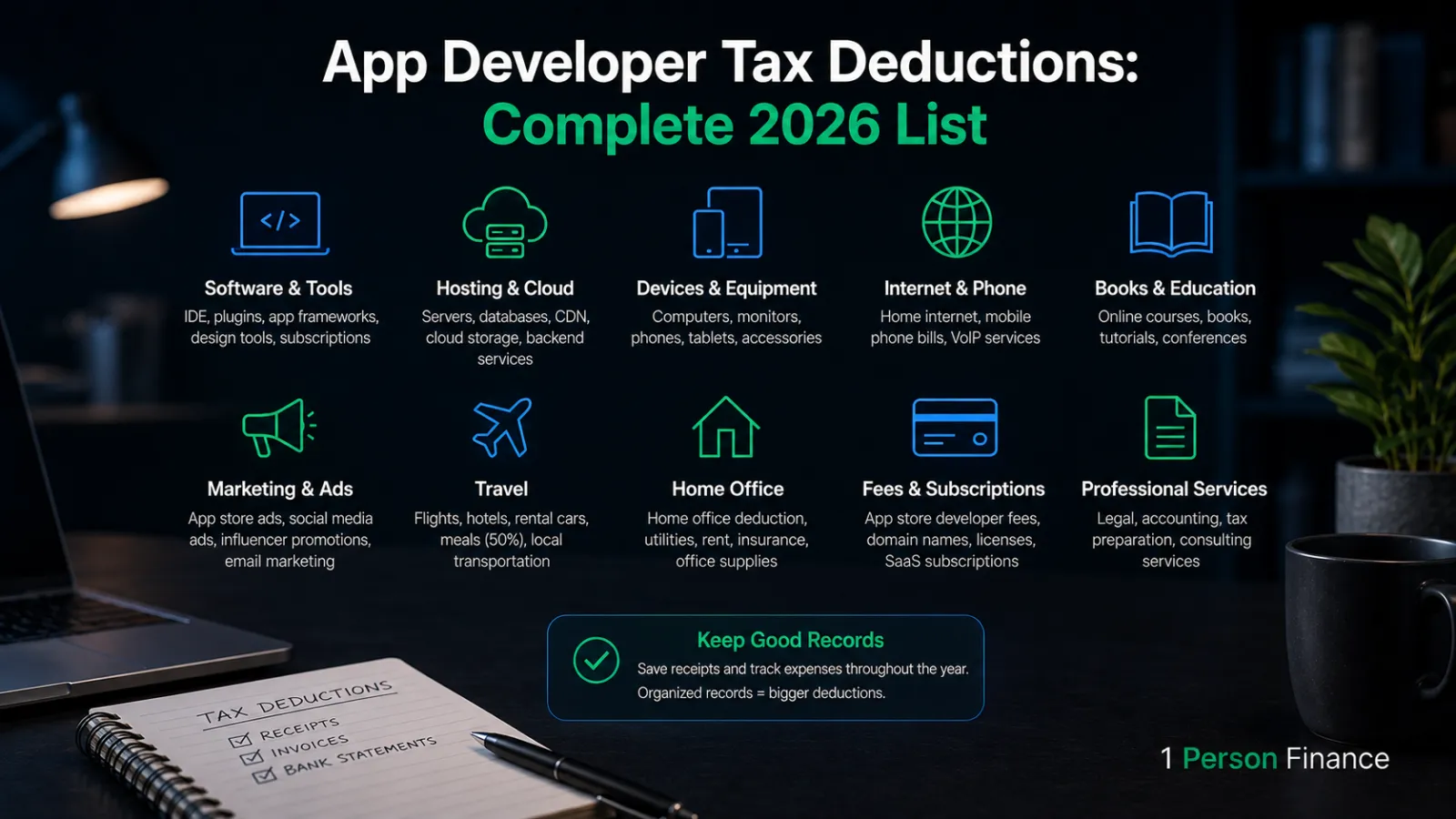
How to Deduct SaaS and Software Subscriptions on Corporate Taxes: 2026 Guide
As modern enterprises transition away from static desktop software toward cloud-based Software-as-a-Service (SaaS) platforms, Taxes monthly recurring software expenses have become one of the largest budget lines on financial statements. From CRM platforms like Salesforce to cloud hosting on AWS and AI productivity tools, business leaders frequently ask: How do IRS rules treat recurring cloud software subscriptions?
Understanding how to properly deduct saas software business taxes is vital for optimizing corporate cash flow, avoiding audit penalties, and capitalizing on eligible tax credits in 2026. This comprehensive tax strategy guide breaks down current IRS classifications, Section 179 deduction guidelines, and proper expense categorization.

SaaS vs. Traditional Software: IRS Tax Classifications
To accurately deduct saas software business taxes, tax accountants first distinguish between purchased off-the-shelf software, custom-developed applications, and hosted cloud software subscriptions:
1. Hosted SaaS Subscriptions (Operational Expense)
When you pay a monthly or annual subscription fee for cloud software (e.g., Slack, Zoom, Google Workspace, HubSpot), you do not own the underlying software code or license asset. You are purchasing access to a service hosted remotely.
The Golden Rule for SaaS Deductions
Under IRS guidelines, pure cloud SaaS subscriptions used exclusively for business operations are classified as Ordinary and Necessary Business Expenses under Section 162. They are 100% tax-deductible in the tax year the expense was incurred.
2. Off-the-Shelf Capitalized Software
If your enterprise purchases perpetual software licenses delivered on physical media or downloaded locally with a useful life exceeding 1 year, the IRS historically treats this as capital property amortizable over 36 months under Treasury Regulation § 1.167(a)-14.
Applying Section 179 to Software Expenses
The Section 179 deduction allows businesses to deduct the full purchase price of eligible off-the-shelf commercial software during the tax year it was placed in service, rather than spreading the tax write-off across 36 months.
Eligibility Criteria for Section 179 Software Expensing:
- The software must be available for general purchase by the public.
- It must be subject to a non-exclusive license agreement.
- It must not have been significantly modified or customized for your business.
Common Mistakes When Deducting Software Subscriptions
Failing to categorize software costs correctly can trigger IRS tax adjustments or audit red flags. Ensure your bookkeeping team avoids these three common pitfalls:
- Mixing Personal and Business Software Accounts: Software licenses used across personal devices (e.g., personal cloud storage or design apps) must be prorated. Only the business use portion can be deducted.
- Capitalizing Annual Pre-Paid SaaS Licenses: If you pay for a multi-year SaaS contract upfront, you generally deduct the portion applicable to each tax year under the 12-Month Rule rather than deducting the entire multi-year block immediately.
- Misclassifying Custom Software Development: Building proprietary internal software involves specialized R&D capitalization rules under Section 174. Be sure to separate external SaaS tool subscriptions from internal software developer payroll costs.
Quick Deductibility Reference Guide
| Software Type | Tax Treatment | Deduction Method |
|---|---|---|
| Monthly SaaS (e.g., Slack, CRM) | Operating Expense (IRC § 162) | 100% Write-off in tax year paid |
| Perpetual Desktop License | Capital Asset / Section 179 | Section 179 direct write-off or 36-mo Amortization |
| Internal Custom App R&D | Section 174 Amortization | Amortized over 5 years (domestic) |
Final Checklist to Deduct SaaS Software Business Taxes
To prepare your corporate books for tax filing season, follow this straightforward protocol:
- Maintain electronic receipts and invoices for every recurring software charge.
- Ensure all payment receipts clearly display your corporate entity name and address.
- Review your chart of accounts to confirm SaaS tools are categorized under "Software Subscriptions" rather than general "Office Supplies".
By implementing a structured compliance process, your organization can maximize tax deductions while maintaining audit-proof documentation for every software tool in your tech stack.
Sponsored — Affiliate
Amazon Business & Tech Offers

Blink Video Doorbell + Outdoor 4 – Wireless Doorbell
$103.99

Dell XPS 13 OLED Review (2026): Is It the Ultimate Business Laptop for Executives?
$0.00

Starface Hydro-Star® Recovery Hydrocolloid Star-Shaped
$25.99

Estée Lauder Little Black Primer™ Tint. Amplify. Set.
$30.00

Apple AirTag (2nd Generation) - 4 Pack: Tracker for
$89.99

Amazon Fire TV Stick 4K Max with Alexa Voice Remote Pro
$84.98
Prices and availability are accurate as of publication. We may earn a commission at no extra cost to you.
Share this article
Help others find it — share on your favorite network.
Comments & Reader Rating